


Does Jasmine Quhao Tea Have Astringency?
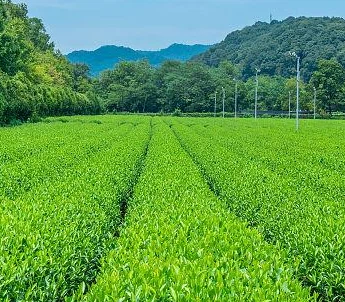

As a supplier of Jasmine Quhao Tea, I've had numerous inquiries from tea enthusiasts and potential buyers about the astringency of this exquisite tea. Astringency is a characteristic that often plays a significant role in a tea's flavor profile, and understanding whether Jasmine Quhao Tea possesses this quality can help consumers make informed choices.
Understanding Astringency in Tea
Astringency in tea is a complex sensation that is often described as a dry, puckering feeling in the mouth. It is primarily caused by the presence of polyphenols, particularly catechins, in the tea leaves. When these polyphenols interact with the proteins in our saliva, they form insoluble complexes, which reduce the lubricating properties of saliva and create the characteristic dry, puckering sensation.
However, astringency is not necessarily a negative trait in tea. In fact, it can contribute to the overall balance and complexity of a tea's flavor. A well - balanced astringency can add a sense of structure and depth to the tea, making it more interesting and satisfying to drink. On the other hand, excessive astringency can be off - putting, making the tea taste bitter and harsh.
The Composition of Jasmine Quhao Tea
Jasmine Quhao Tea is a type of scented tea that combines the delicate flavor of green tea with the sweet, floral aroma of jasmine flowers. The base tea for Jasmine Quhao Tea is usually a high - quality green tea, which is known for its relatively high content of polyphenols. These polyphenols are responsible for the potential astringency in the tea.
During the scenting process, the green tea leaves are repeatedly layered with fresh jasmine flowers, allowing the tea to absorb the fragrant essence of the flowers. This process not only imparts the characteristic jasmine aroma but also has an impact on the flavor and astringency of the tea.
Astringency in Jasmine Quhao Tea
The astringency of Jasmine Quhao Tea can vary depending on several factors. Firstly, the quality of the base green tea plays a crucial role. Higher - grade green teas tend to have a more balanced and refined astringency. The cultivation methods, such as the use of organic fertilizers and proper pruning, can also affect the polyphenol content in the tea leaves.
Secondly, the scenting process can influence astringency. If the tea is scented too aggressively or for too long, it may result in a loss of some of the tea's natural flavors and an imbalance in astringency. However, when the scenting is done correctly, the sweet floral notes of jasmine can help to mellow the astringency of the green tea, creating a more harmonious flavor profile.
In general, well - made Jasmine Quhao Tea has a mild to moderate astringency. When brewed correctly, the tea presents a smooth and refreshing taste with a gentle astringency that lingers on the palate. This astringency is not overpowering but rather adds a subtle complexity to the overall flavor, complementing the sweet jasmine aroma and the fresh, grassy notes of the green tea.
Comparing with Other Jasmine Teas
To better understand the astringency of Jasmine Quhao Tea, it can be helpful to compare it with other popular jasmine teas such as Organic Jasmine Tea, Jasmine Maojian Tea, and Jasmine Dragon Pearl Tea.
Organic Jasmine Tea, as the name suggests, is made from organically grown tea leaves. These teas often have a clean and pure flavor profile. The astringency in organic jasmine tea can be similar to that of Jasmine Quhao Tea, but it may vary depending on the specific organic farming practices and the type of base tea used.
Jasmine Maojian Tea is known for its slender, needle - like leaves and delicate flavor. It typically has a lighter astringency compared to Jasmine Quhao Tea. The fine, tender leaves of Jasmine Maojian result in a more subtle and refined taste, with the jasmine aroma taking center stage.
Jasmine Dragon Pearl Tea, on the other hand, is made by rolling the tea leaves into small, pearl - like balls. This tea often has a more intense flavor and a slightly higher level of astringency. The tightly rolled leaves release their flavors and polyphenols more slowly, resulting in a more concentrated and complex taste.
Brewing Techniques to Control Astringency
As a supplier, I often share brewing tips with my customers to help them achieve the best flavor from their Jasmine Quhao Tea. The brewing temperature and time are two key factors that can affect astringency.
For Jasmine Quhao Tea, it is recommended to use water at a temperature of around 80 - 85°C (176 - 185°F). Using water that is too hot can extract too many polyphenols from the tea leaves, leading to excessive astringency. Brewing time also matters. A shorter brewing time of about 2 - 3 minutes can result in a milder, less astringent cup of tea, while a longer brewing time will increase the astringency and intensity of the flavor.
The Market Demand for Jasmine Quhao Tea
The unique flavor profile of Jasmine Quhao Tea, with its balanced astringency and sweet jasmine aroma, has made it increasingly popular in the global tea market. Consumers who are looking for a tea that combines the health benefits of green tea with the delightful fragrance of jasmine are often drawn to Jasmine Quhao Tea.
In the Western market, there is a growing interest in traditional Chinese teas, and Jasmine Quhao Tea is well - positioned to meet this demand. Its relatively mild astringency makes it more accessible to those who may be new to drinking tea or who prefer a less bitter taste.
Contact for Purchase and Collaboration
If you are a tea retailer, distributor, or simply a tea lover interested in purchasing Jasmine Quhao Tea, I invite you to reach out for more information. We offer high - quality Jasmine Quhao Tea at competitive prices, and we are committed to providing excellent customer service. Whether you are looking to stock our tea in your store or to enjoy it at home, we can meet your needs. Contact us to start a discussion about your tea requirements and to explore potential business opportunities.
References
- Chen, L. (2018). The Chemistry of Tea. Springer.
- Wilson, J. (2019). Tea Tasting and Evaluation. Wiley.