


As a supplier of Xiang Cha, I've had the privilege of witnessing the fascinating journey of this tea through its aging process. Xiang Cha, a unique type of Chinese tea, undergoes a series of complex chemical and physical changes as it ages, which significantly impact its flavor, aroma, and overall quality. In this blog post, I'll delve into the science behind the aging process of Xiang Cha and explore how it transforms over time.
The Basics of Xiang Cha
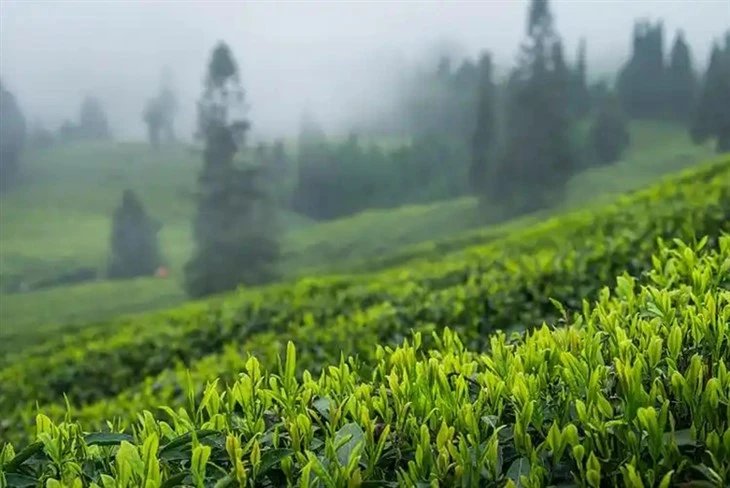
Before we dive into the aging process, let's first understand what Xiang Cha is. Xiang Cha is a category of Chinese tea that encompasses various sub - types, each with its own distinct characteristics. Some well - known varieties include High Green Xiang Cha, Green Maofeng Xiang Cha, and Yun Wu Xiang Cha. These teas are typically made from the leaves of the Camellia sinensis plant and are known for their fresh, fragrant, and often complex flavors.
Initial Composition of Fresh Xiang Cha
Freshly harvested Xiang Cha leaves are rich in a variety of chemical compounds. The most notable ones include polyphenols, which are responsible for the tea's antioxidant properties and contribute to its astringency. Catechins, a type of polyphenol, are especially abundant in fresh Xiang Cha. They give the tea its characteristic brisk and slightly bitter taste.
In addition to polyphenols, fresh Xiang Cha also contains amino acids, such as theanine. Theanine is known for its ability to impart a umami flavor and a calming effect. Volatile organic compounds (VOCs) are another important component. These compounds are responsible for the tea's aroma, and different VOCs create the unique fragrance profiles of various Xiang Cha varieties.
The Aging Environment
The aging of Xiang Cha is highly influenced by the environment in which it is stored. Temperature, humidity, and air circulation all play crucial roles.
Temperature: A relatively stable and moderate temperature is ideal for aging Xiang Cha. High temperatures can accelerate the chemical reactions, but if they are too high, they may cause the tea to deteriorate rapidly. On the other hand, extremely low temperatures can slow down the aging process to a near - halt. A temperature range of around 20 - 25 degrees Celsius is often considered optimal.

Humidity: Humidity is a double - edged sword. Adequate humidity is necessary for the tea to undergo the necessary chemical changes, but excessive humidity can lead to mold growth. A humidity level of around 60 - 70% is generally recommended. This allows the tea to absorb a small amount of moisture, which facilitates the breakdown and transformation of its chemical components.
Air Circulation: Proper air circulation is important to ensure that the tea can "breathe." It helps to remove any unwanted odors and allows for the exchange of gases. However, too much air exposure can cause the tea to dry out too quickly, so a balance must be struck.
Chemical Changes During Aging
Oxidation of Polyphenols
One of the most significant changes during the aging of Xiang Cha is the oxidation of polyphenols. As the tea ages, the catechins in the polyphenols gradually oxidize. This oxidation process leads to the formation of new compounds, such as theaflavins and thearubigins. Theaflavins are bright orange - red in color and contribute to the tea's brightness and a more rounded flavor. Thearubigins, on the other hand, are darker in color and add depth and complexity to the tea.
The oxidation of polyphenols also reduces the astringency of the tea. As the catechins are converted into other compounds, the sharp, bitter taste associated with fresh Xiang Cha becomes more mellow. This is why aged Xiang Cha often has a smoother and more balanced flavor compared to its fresh counterpart.
Hydrolysis of Amino Acids
Amino acids in Xiang Cha also undergo changes during aging. Hydrolysis, a chemical reaction in which water breaks down the amino acids, occurs over time. This process releases free amino acids, which can further contribute to the tea's flavor. The hydrolysis of theanine, for example, can enhance the umami taste of the aged tea.
Transformation of Volatile Organic Compounds
The aroma of Xiang Cha changes significantly during aging. The initial fresh and floral VOCs in fresh tea gradually transform into more complex and mature scents. Some of the lighter, more volatile compounds evaporate, while others react with other substances in the tea to form new VOCs. This results in the development of deeper, earthy, and sometimes woody aromas in aged Xiang Cha.
Physical Changes
In addition to the chemical changes, there are also physical changes that occur during the aging of Xiang Cha. The color of the tea leaves may darken as the oxidation of polyphenols progresses. The texture of the leaves can also change, becoming more brittle over time.
The appearance of the brewed tea also changes. Fresh Xiang Cha typically has a light - colored liquor, often green or yellowish - green. As the tea ages, the liquor becomes darker, taking on a more amber or reddish - brown hue.
Stages of Aging
The aging process of Xiang Cha can be divided into several stages.
Early Stage (0 - 1 year): In the first year of aging, the tea begins to lose some of its initial freshness. The astringency starts to mellow slightly, and there may be a subtle change in the aroma. The tea is still relatively close to its fresh state, but the initial signs of aging are starting to become apparent.
Middle Stage (1 - 3 years): During this stage, the oxidation of polyphenols becomes more pronounced. The tea's flavor becomes smoother, and the astringency is further reduced. The aroma becomes more complex, with new layers of fragrance emerging. The color of the brewed tea also starts to darken more noticeably.
Late Stage (3+ years): Aged Xiang Cha that has been stored for more than three years often has a very different character from its fresh form. The flavor is extremely mellow, with a rich and complex taste profile. The aroma is deep and can be reminiscent of aged wood, dried fruits, or even spices. The tea has developed a unique personality that is highly sought after by tea connoisseurs.
Impact of Aging on Quality and Value
The aging process can significantly enhance the quality and value of Xiang Cha. A well - aged Xiang Cha is often considered a premium product. The mellowed flavor, complex aroma, and unique character make it a favorite among tea enthusiasts.
As the tea ages and its quality improves, its value in the market also tends to increase. Collectors and serious tea drinkers are willing to pay a premium for aged Xiang Cha, especially rare or high - quality varieties.
Contact for Purchase and Collaboration
If you are interested in exploring the world of aged Xiang Cha or are looking to purchase high - quality Xiang Cha for your business, I'd be more than happy to assist you. Whether you are a tea shop owner, a distributor, or simply a tea lover, we can work together to find the perfect Xiang Cha products to meet your needs. Please reach out to start a discussion about your requirements.
References
- Wilson, K. C., & Clifford, M. N. (1986). Tea flavonoids: classification, properties and stability. In Recent advances in the chemistry of tea (pp. 1 - 28). Royal Society of Chemistry.
- Chen, J., & Kubota, K. (2010). Chemistry and biochemistry of tea polyphenols. In Tea in health and disease prevention (pp. 1 - 16). Academic Press.
- Zheng, W., & Wan, X. (2016). The effect of aging on the chemical composition and sensory quality of Chinese dark tea. Food Chemistry, 206, 433 - 440.