


Hey there, tea lovers! I'm a supplier of Yun Wu Xiang Cha, and today I'm super excited to chat with you about how the altitude of the production area can have a huge impact on the quality of this amazing tea.
First off, let me give you a bit of a background on Yun Wu Xiang Cha. It's a type of tea that's deeply rooted in Chinese tea - culture. If you want to know more about it, you can check out this link: Yun Wu Xiang Cha.
So, how does altitude come into play? Well, when it comes to tea production, altitude is like a hidden ingredient that can make or break the final product.
Temperature and Climate
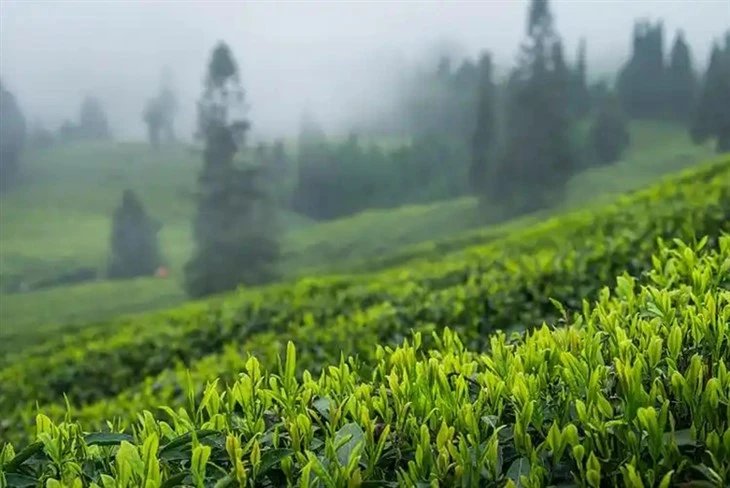
One of the main things affected by altitude is the temperature. At higher altitudes, the temperature tends to be cooler. This slower growth rate for the tea plants is actually a good thing. The tea leaves have more time to develop their flavors and nutrients. In the case of Yun Wu Xiang Cha, the cooler temperatures mean that the leaves grow more slowly, resulting in a more complex and rich flavor profile.
For example, the High Green Xiang Cha, a related type of tea, also benefits from high - altitude growing conditions. You can learn more about it here: High Green Xiang Cha. The slow growth at high altitudes allows the tea to develop a unique sweetness and a smooth, mellow taste that's really hard to beat.
The climate at high altitudes also often includes more fog and mist. This is where the "Yun Wu" in Yun Wu Xiang Cha comes from, as "Yun Wu" means cloud and mist in Chinese. The fog and mist act as a natural shade for the tea plants, protecting them from direct sunlight. This helps to keep the leaves tender and reduces the amount of bitterness in the tea.
Soil Quality
Altitude can also affect the soil quality. Higher - altitude areas usually have different soil compositions compared to lower - lying regions. The soil at high altitudes is often richer in minerals and organic matter. These minerals are absorbed by the tea plants and contribute to the tea's flavor and aroma.
The tea plants in high - altitude areas have to work harder to grow in the sometimes - challenging soil conditions. This stress on the plants actually makes them produce more of certain compounds, like polyphenols and amino acids. Polyphenols are known for their antioxidant properties, which are great for your health. And amino acids, especially theanine, are responsible for the umami taste in the tea.
Take Green Maofeng Xiang Cha for instance. The tea grown at higher altitudes has a more intense and well - rounded flavor because of the nutrient - rich soil. If you're curious about this type of tea, click here: Green Maofeng Xiang Cha.
Air Quality
The air quality at high altitudes is generally better. There's less pollution and more oxygen. The clean air allows the tea plants to breathe freely and grow healthily. This results in cleaner - tasting tea with fewer off - flavors.
When the tea plants are exposed to clean air, they can focus on producing high - quality leaves. The lack of pollutants means that the natural flavors of the tea can shine through. You'll notice a freshness and a purity in the taste of Yun Wu Xiang Cha grown at high altitudes that's almost impossible to find in tea from lower - altitude areas.

Aroma and Flavor
The combination of all these factors - temperature, soil, and air quality - leads to a distinct aroma and flavor in Yun Wu Xiang Cha. High - altitude Yun Wu Xiang Cha often has a more delicate and floral aroma. You might detect notes of orchid, jasmine, or even a hint of citrus.
In terms of flavor, it's smooth and complex. There's a balance between the natural sweetness, the umami taste from the amino acids, and the slight astringency that gives the tea a bit of structure. The aftertaste is long - lasting and leaves you craving another sip.
Appearance of the Leaves
The appearance of the tea leaves is also affected by altitude. The leaves of Yun Wu Xiang Cha grown at high altitudes are usually more tender and have a brighter green color. They're plumper and more well - formed compared to leaves from lower - altitude areas.
When you brew high - altitude Yun Wu Xiang Cha, the leaves unfurl gracefully in the hot water, revealing their beautiful shape. It's almost like watching a little show in your teacup.
Comparing High - Altitude and Low - Altitude Yun Wu Xiang Cha
If you were to compare high - altitude and low - altitude Yun Wu Xiang Cha side by side, the differences would be quite obvious. Low - altitude tea might have a more one - dimensional flavor. It could be more bitter or lack the complexity and depth of high - altitude tea.
The aroma of low - altitude tea is often less intense and less nuanced. You might not get the same floral or citrusy notes that you find in high - altitude tea. And the appearance of the leaves might be duller and less appealing.
Why It Matters to You
As a tea lover, these differences in quality really matter. When you're paying for a cup of tea, you want to get the best possible experience. High - altitude Yun Wu Xiang Cha offers a superior taste, aroma, and visual experience.
Whether you're a casual tea drinker looking for a delicious and healthy beverage or a connoisseur searching for the perfect cup, high - altitude Yun Wu Xiang Cha is definitely worth trying.
Contact for Purchase
If you're interested in purchasing high - quality Yun Wu Xiang Cha, I'd love to hear from you. We have a wide selection of this amazing tea, all sourced from the best high - altitude production areas. Whether you're a tea shop owner looking to stock up or an individual who wants to enjoy a great cup of tea at home, we can meet your needs. Just reach out to us, and we can start discussing your requirements.
References
- Chen, L. (2018). The Influence of Altitude on Tea Quality. Journal of Tea Science, 38(2), 123 - 130.
- Li, H. (2020). Soil and Climate Factors Affecting Tea Flavor. Tea Research International, 15(3), 78 - 85.
- Wang, S. (2019). The Role of Air Quality in Tea Production. Environmental Science and Tea, 22(4), 101 - 108.