


As a supplier of Jasmine Aroma Tea, I've witnessed firsthand the profound impact that the processing method of tea leaves has on the jasmine aroma in the final product. In this blog, I'll delve into the intricate relationship between tea leaf processing and the captivating jasmine fragrance that tea enthusiasts cherish.
The Basics of Tea Leaf Processing
Tea leaf processing is a multi - step journey that begins with the harvest of fresh tea leaves. There are four main types of tea based on the degree of oxidation: green, white, oolong, and black. Each type undergoes a different processing method, which sets the stage for how well it can absorb and retain the jasmine aroma.
Green tea is the least oxidized. The leaves are quickly heated after harvest to stop the oxidation process. This preserves the natural green color, freshness, and delicate flavor of the tea. White tea is even more minimally processed; the leaves are simply withered and dried. Oolong tea is partially oxidized, giving it a flavor profile that lies between green and black tea. Black tea is fully oxidized, resulting in a rich, robust flavor.
Jasmine Scenting Process
The process of infusing tea leaves with jasmine aroma is an art form. It typically involves layering fresh jasmine blossoms with the tea leaves. The most common method is called "scenting." Jasmine flowers open at night, releasing their fragrance. At this time, they are carefully placed among the tea leaves. The tea leaves, like sponges, absorb the volatile oils and aromatic compounds from the jasmine blossoms.
Green Tea and Jasmine Aroma
Green tea is a popular choice for jasmine scenting. Its fresh, clean flavor provides an ideal canvas for the jasmine aroma to shine. During the scenting process, the green tea leaves' natural structure and chemical composition allow them to quickly absorb the jasmine fragrance. The minimal oxidation of green tea means that the leaves retain their ability to hold onto the delicate jasmine notes.
For example, Jasmine Dragon Pearl Tea is a well - known type of green jasmine tea. The tea leaves are hand - rolled into small pearls, which not only gives the tea an interesting appearance but also affects how it absorbs the jasmine aroma. The tight rolling increases the surface area of the leaves in contact with the jasmine blossoms, enhancing the scenting process. When brewed, these pearls unfurl, releasing a fresh, sweet jasmine aroma along with the characteristic green tea flavor.
Black Tea and Jasmine Aroma
Black tea, with its full oxidation, has a more complex flavor profile. When used for jasmine scenting, the jasmine aroma interacts with the robust black tea base. The fully oxidized leaves have a different chemical makeup compared to green tea leaves. They may require a longer scenting time to achieve a strong jasmine aroma.
The jasmine aroma in black jasmine tea can add a floral sweetness that balances the boldness of the black tea. However, the intense flavor of black tea can sometimes overpower the jasmine if not scented properly. Jasmine Dragon Ball Tea made from black tea is a unique example. The ball - shaped tea leaves hold the jasmine aroma well, and when steeped, they offer a blend of rich black tea taste and a lingering jasmine fragrance.
Oolong Tea and Jasmine Aroma
Oolong tea's partial oxidation gives it a unique ability to absorb and present the jasmine aroma. The semi - oxidized leaves have a more complex flavor structure than green tea but are less overpowering than black tea. This makes oolong tea an excellent choice for those who want a more nuanced jasmine tea experience.

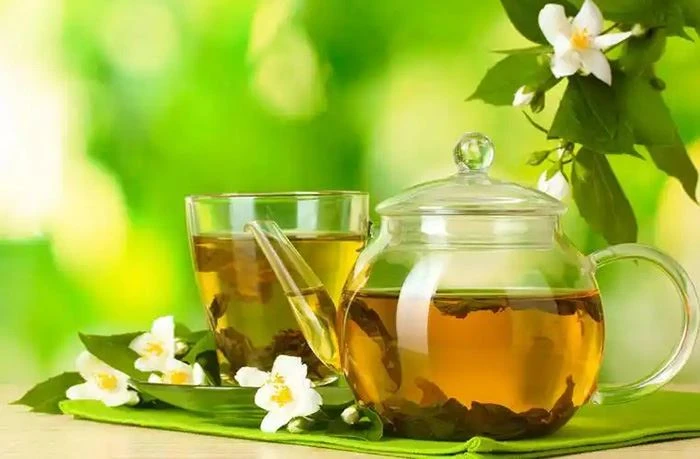
The jasmine aroma in oolong jasmine tea can have different nuances depending on the degree of oxidation of the oolong base. A lightly oxidized oolong may result in a tea with a fresher, more floral jasmine note, while a more heavily oxidized oolong can produce a tea where the jasmine aroma is more integrated with the deeper, roasted flavors of the oolong. Organic Jasmine Tea made from oolong tea offers a natural and balanced combination of the oolong's character and the jasmine's fragrance.
Factors in Tea Leaf Processing Affecting Jasmine Aroma
Withering
Withering is the first step in tea leaf processing. It involves removing some of the moisture from the fresh tea leaves. The degree of withering can affect how well the leaves absorb the jasmine aroma. If the leaves are withered too much, they may become brittle and lose their ability to absorb the volatile compounds from the jasmine blossoms effectively. On the other hand, if the withering is insufficient, the excess moisture can dilute the jasmine fragrance during the scenting process.
Fixation
Fixation is a crucial step in green tea processing. It stops the oxidation process by heating the leaves. The method and temperature of fixation can impact the tea leaves' ability to hold the jasmine aroma. For example, pan - firing the leaves at a high temperature can seal in the natural flavors of the tea and create a better environment for absorbing the jasmine fragrance. However, if the fixation is too intense, it may damage the leaves' structure and reduce their capacity to absorb the aroma.
Rolling
Rolling the tea leaves helps to break down the cell walls, releasing the internal juices and increasing the surface area for scenting. In the case of jasmine tea, proper rolling can enhance the contact between the tea leaves and the jasmine blossoms. Different rolling techniques, such as hand - rolling or machine - rolling, can also affect the final jasmine aroma. Hand - rolled tea leaves may have a more uneven surface, which can sometimes lead to a more complex and intense jasmine aroma as the blossoms can interact with the leaves in a more irregular way.
Multiple Scenting
To achieve a more intense and long - lasting jasmine aroma, multiple scenting processes are often employed. After the first round of scenting, the tea leaves are separated from the used jasmine blossoms and then scented again with fresh blossoms. This can be repeated several times.
Each additional scenting adds more layers of jasmine fragrance to the tea. However, it also requires careful control. Over - scenting can make the tea taste artificial or overly perfumed. The key is to find the right balance between the number of scenting rounds and the quality of the tea leaves and jasmine blossoms.
Quality Control and Consistency
As a Jasmine Aroma Tea supplier, maintaining quality control and consistency is of utmost importance. We carefully select the tea leaves based on their origin, variety, and processing history. Only high - quality tea leaves are chosen for jasmine scenting.
We also pay close attention to the quality of the jasmine blossoms. The blossoms must be fresh, fully opened, and free from any contaminants. During the scenting process, we monitor the temperature, humidity, and duration to ensure that the tea leaves absorb the jasmine aroma evenly.
Conclusion
The processing method of tea leaves has a profound and multi - faceted impact on the jasmine aroma in the tea. Whether it's the type of tea (green, black, or oolong), the individual steps in tea leaf processing (withering, fixation, rolling), or the number of scenting rounds, each factor plays a crucial role in creating a high - quality jasmine tea.
As a supplier, we are committed to providing the best Jasmine Aroma Tea to our customers. If you are interested in purchasing our jasmine tea products for your business or personal enjoyment, we invite you to contact us for a procurement discussion. We can offer you a wide range of jasmine tea options, from different tea bases to various levels of jasmine intensity. Let's work together to bring the delightful jasmine aroma to your tea cups.
References
- Wilson, E. C. (2008). The Book of Tea. Courier Corporation.
- Lu, Y. (2015). Tea: History, Terroir, Varieties. Little, Brown Book Group.