


Is Chinese Jasmine Tea good for detoxification?
Hey there, tea lovers! As a supplier of Chinese Jasmine Tea, I've been getting a lot of questions lately about whether this fragrant brew is good for detoxification. Well, let's dive right in and explore the facts.
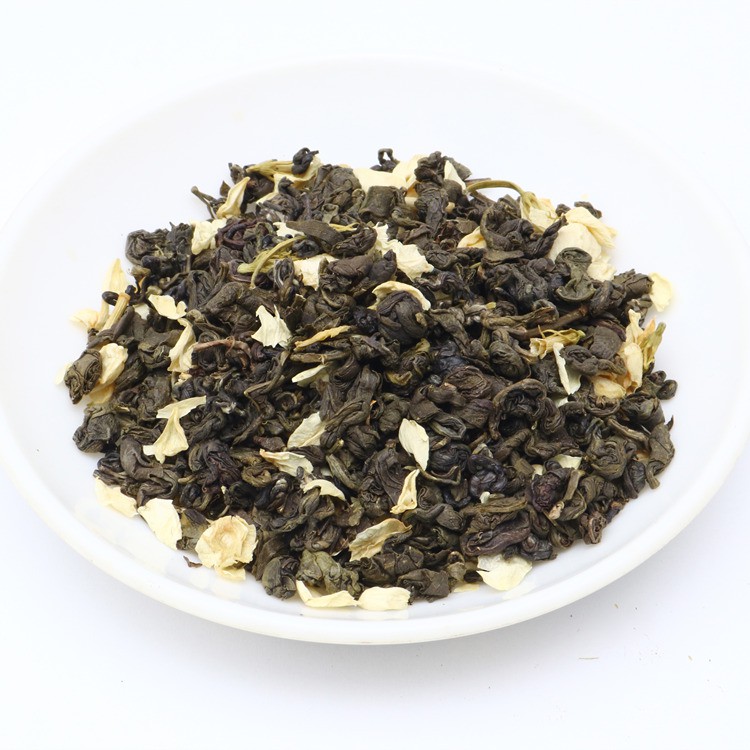
First off, what exactly is Chinese Jasmine Tea? It's a type of scented tea made by blending green tea leaves with jasmine flowers. The process is quite intricate. The tea leaves are typically harvested first, and then they're carefully layered with fresh jasmine blossoms. Over time, the tea leaves absorb the sweet, floral aroma of the jasmine, resulting in a delicious and aromatic beverage.
Now, let's talk about detoxification. In the health world, detoxification refers to the body's natural process of removing toxins. Our bodies have built - in organs like the liver, kidneys, and skin that are constantly working to get rid of harmful substances. Some people believe that certain foods and drinks can help support this natural detox process, and Chinese Jasmine Tea is often on that list.
One of the key components in Chinese Jasmine Tea is antioxidants. Antioxidants are substances that can protect our cells from damage caused by free radicals. Free radicals are unstable molecules that can cause oxidative stress in the body, which is linked to various health problems including aging, cancer, and heart disease. The antioxidants in Chinese Jasmine Tea, such as catechins, can help neutralize these free radicals. By doing so, they may assist the body's natural detoxification process by reducing the overall burden of oxidative stress on our organs.
Another aspect is the diuretic effect of tea. Jasmine tea, like many other teas, has a mild diuretic property. This means it can increase urine production. When we urinate more, our bodies are able to flush out excess water, salts, and some waste products. This can be beneficial for the kidneys, which are responsible for filtering waste from the blood. By promoting urine output, Chinese Jasmine Tea may help the kidneys function more efficiently and aid in the removal of toxins from the body.
Moreover, the jasmine flowers themselves may have some health - promoting properties. Jasmine has been used in traditional Chinese medicine for centuries. It's believed to have calming and anti - inflammatory effects. Inflammation in the body can sometimes interfere with the normal functioning of our organs involved in detoxification. By reducing inflammation, jasmine may help these organs work better.
Let's take a look at some of the specific types of Chinese Jasmine Tea we offer. We have the Jasmine Maojian Tea. This tea is known for its delicate flavor and fine, needle - like tea leaves. It has a light, refreshing taste with a strong jasmine aroma. The high - quality tea leaves used in Jasmine Maojian Tea are rich in antioxidants, making it a great choice for those looking to support their body's detox process.
Then there's the Jasmine Quhao Tea. This tea has a more intense flavor compared to Jasmine Maojian. It's made from larger tea leaves that have been expertly scented with jasmine. The bold flavor of Jasmine Quhao Tea is accompanied by a deep, floral aroma. The antioxidants in this tea can also play a role in detoxification, and its robust taste makes it a favorite among many tea enthusiasts.
And don't forget our Jasmine Dragon Pearl Tea. These beautiful, hand - rolled tea pearls are not only a sight to behold but also a treat for the taste buds. When steeped, the pearls unfurl, releasing a rich, jasmine - infused flavor. The unique processing of Jasmine Dragon Pearl Tea helps to preserve the antioxidants and other beneficial compounds, which can contribute to the body's natural detoxification.

However, it's important to note that while Chinese Jasmine Tea can have some benefits for detoxification, it's not a magic bullet. Detoxification is a complex process that depends on many factors, including a balanced diet, regular exercise, and adequate sleep. Drinking Chinese Jasmine Tea should be seen as part of a healthy lifestyle, not a standalone solution.
Also, if you're sensitive to caffeine, be aware that Chinese Jasmine Tea does contain some caffeine, although the amount is generally lower than that of coffee. Too much caffeine can have negative effects such as jitteriness, insomnia, and increased heart rate. So, it's best to consume it in moderation.
In conclusion, Chinese Jasmine Tea can be a great addition to your diet if you're looking to support your body's natural detoxification process. Its antioxidants, diuretic effect, and the potential health benefits of jasmine flowers all contribute to its value. Whether you prefer the delicate flavor of Jasmine Maojian Tea, the bold taste of Jasmine Quhao Tea, or the unique experience of Jasmine Dragon Pearl Tea, there's a Chinese Jasmine Tea for everyone.
If you're interested in trying our high - quality Chinese Jasmine Teas or have any questions about them, we'd love to hear from you. Reach out to us to start a discussion about purchasing and let's see how we can meet your tea needs.
References
- "Tea and Health: The Role of Antioxidants." Journal of Nutritional Science.
- "Traditional Uses and Pharmacological Properties of Jasmine." Chinese Journal of Traditional Medicine.