


Japanese green tea has long been celebrated for its rich cultural heritage, delicate flavors, and numerous health benefits. As a dedicated supplier of high - quality Japanese green tea, I've witnessed a growing trend in cold brewing among tea enthusiasts. In this blog, we'll explore whether Japanese green tea is suitable for cold brewing, delving into the science, flavor profiles, and practical considerations.
The Science Behind Cold Brewing
Cold brewing is a method of extracting flavors from tea leaves using cold or room - temperature water instead of hot water. This process is based on the principle of diffusion, where the flavor compounds and nutrients in the tea leaves gradually dissolve into the water over time.
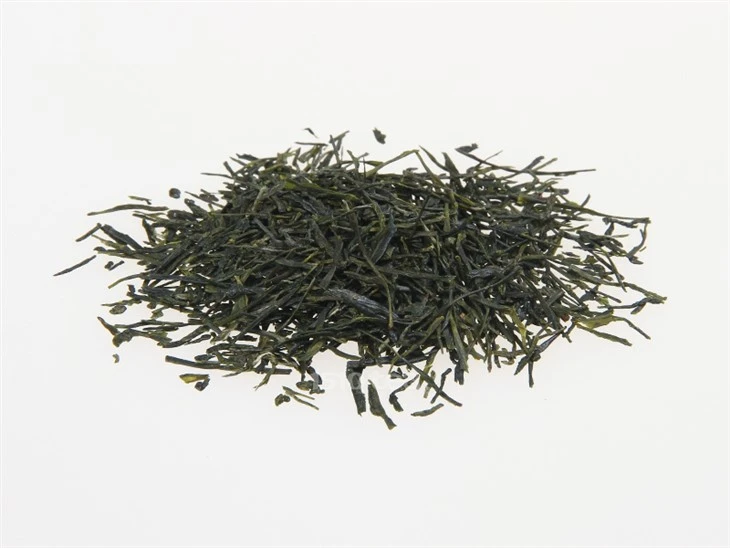
When it comes to Japanese green tea, the chemical composition plays a crucial role in its suitability for cold brewing. Japanese green teas, such as Sencha Tea, are rich in catechins, a type of antioxidant. Catechins are more stable in cold water compared to hot water, which means that cold brewing can effectively extract these beneficial compounds without causing excessive oxidation.
Additionally, the low temperature of cold brewing helps to preserve the delicate flavor and aroma compounds in Japanese green tea. Many of the volatile compounds that contribute to the tea's unique fragrance are sensitive to heat. By using cold water, we can prevent these compounds from evaporating or degrading, resulting in a more fragrant and nuanced cup of tea.
Flavor Profiles of Cold - Brewed Japanese Green Tea
One of the most appealing aspects of cold - brewed Japanese green tea is its distinct flavor profile. Cold brewing tends to produce a smoother, less astringent cup of tea compared to hot brewing. The lower temperature slows down the extraction of tannins, which are responsible for the bitter and astringent taste in tea. As a result, cold - brewed Japanese green tea often has a sweeter, more refreshing flavor.
For example, Organic Steamed Green Tea when cold - brewed, showcases its natural umami flavor. Umami is the fifth basic taste, often described as savory or brothy. In cold - brewed organic steamed green tea, the umami notes are more prominent, creating a complex and satisfying taste experience.
Another advantage of cold brewing is that it can highlight the subtle floral and vegetal notes in Japanese green tea. These delicate flavors are sometimes overshadowed by the bitterness in hot - brewed tea. Cold brewing allows these nuances to shine through, making it a great option for those who appreciate the more refined aspects of Japanese green tea.
Practical Considerations for Cold Brewing Japanese Green Tea
While Japanese green tea is well - suited for cold brewing, there are some practical considerations to keep in mind to ensure the best results.
Tea - to - Water Ratio
The tea - to - water ratio is crucial for achieving the right flavor strength in cold - brewed tea. As a general rule, you can use about 1 to 2 teaspoons of loose - leaf Japanese green tea per 8 ounces of water. However, this ratio can be adjusted based on personal preference. If you prefer a stronger flavor, you can increase the amount of tea, and if you like a milder cup, you can reduce it.
Steeping Time
Steeping time is another important factor. Cold - brewing Japanese green tea typically takes longer than hot brewing. It's recommended to steep the tea for at least 4 to 8 hours in the refrigerator. For a quicker option, you can steep the tea at room temperature for 2 to 4 hours, but keep in mind that this may result in a slightly different flavor profile.
Water Quality
The quality of water used for cold brewing can significantly impact the taste of the tea. It's best to use filtered or spring water to avoid any off - flavors that may be present in tap water. The minerals in high - quality water can also enhance the extraction of flavor compounds from the tea leaves.
Comparing Cold - Brewed and Hot - Brewed Japanese Green Tea
To better understand the suitability of Japanese green tea for cold brewing, it's helpful to compare it with hot - brewed tea.

Health Benefits
Both cold - brewed and hot - brewed Japanese green tea offer a range of health benefits. As mentioned earlier, cold brewing can effectively extract catechins, which have antioxidant, anti - inflammatory, and potential cancer - preventing properties. Hot brewing, on the other hand, may extract more of the water - soluble vitamins and minerals in the tea leaves. However, the high temperature can also cause some degradation of these nutrients. Overall, both methods can provide a healthy dose of beneficial compounds.
Flavor and Aroma
As discussed, cold - brewed Japanese green tea has a smoother, less astringent flavor with more prominent floral and umami notes. Hot - brewed tea, on the other hand, tends to have a stronger, more robust flavor. The aroma of hot - brewed tea is often more intense immediately after brewing, but it may fade more quickly compared to cold - brewed tea.
Convenience
Cold brewing is generally more convenient for those on the go. You can prepare a large batch of cold - brewed tea in advance and store it in the refrigerator for several days. This makes it a great option for picnics, workdays, or any situation where you don't have access to hot water. Hot brewing, on the other hand, requires a heat source and more immediate attention during the brewing process.
Market Trends and Consumer Preferences
In recent years, there has been a significant increase in the popularity of cold - brewed Japanese green tea. Consumers are becoming more health - conscious and are drawn to the natural and refreshing qualities of cold - brewed tea. Additionally, the convenience factor has made it a favorite among busy individuals.
Many cafes and restaurants are now offering cold - brewed Japanese green tea on their menus, and there is a growing market for pre - bottled cold - brewed tea products. As a supplier of Japanese green tea, I've noticed an increasing demand for tea that is specifically suitable for cold brewing. This trend presents a great opportunity for businesses in the tea industry to cater to the changing consumer preferences.
Conclusion and Invitation to Connect
In conclusion, Japanese green tea is indeed highly suitable for cold brewing. The science behind cold brewing supports the extraction of beneficial compounds while preserving the delicate flavor and aroma of the tea. The resulting cold - brewed tea offers a unique and refreshing taste experience that is different from hot - brewed tea.
Whether you're a tea connoisseur looking to explore new brewing methods or a business owner interested in adding cold - brewed Japanese green tea to your product line, I'm here to help. As a trusted supplier of high - quality Japanese green tea, including Sencha Tea, Organic Steamed Green Tea, and Steamed Green Tea Fannings, I can provide you with the best tea products and expert advice on cold brewing.
If you're interested in learning more about our Japanese green tea offerings or discussing potential procurement opportunities, please don't hesitate to reach out. I'm eager to connect with you and help you discover the wonderful world of cold - brewed Japanese green tea.
References
- "The Chemistry of Tea" by Jane Pettigrew and Bruce Richardson.
- "Tea: History, Terroir, Varieties" by Lisa Boalt Richardson.
- Research studies on the extraction of catechins in different brewing methods.