


Hey there, tea lovers! As a supplier of Steamed Green Tea, I've had the privilege of diving deep into the world of green tea and understanding the nuances between different processing methods. Today, I'm going to spill the beans on the difference between steamed and pan-fried green tea.
The Basics of Green Tea Processing
Before we get into the nitty-gritty of steamed and pan-fried green tea, let's have a quick refresher on how green tea is made. Green tea is made from the leaves of the Camellia sinensis plant. The key to making green tea is to prevent the oxidation of the leaves, which helps to preserve their natural flavor, color, and nutrients.
There are two main methods of processing green tea: steaming and pan-frying. Each method has its own unique characteristics and produces a different type of green tea.
Steamed Green Tea
Steamed green tea is a traditional method of processing green tea that originated in China and is widely used in Japan. The process involves quickly steaming the freshly harvested tea leaves to stop the oxidation process. This method helps to preserve the natural color, flavor, and nutrients of the leaves.
One of the most popular types of steamed green tea is Sencha Tea. Sencha is a high-quality green tea that is known for its fresh, grassy flavor and bright green color. It is made from the top leaves and buds of the tea plant and is often enjoyed on its own or with a light meal.
Another type of steamed green tea is Steamed Green Tea Fannings. Fannings are small, broken tea leaves that are a byproduct of the tea processing industry. They are often used in tea bags and are a more affordable option for those who want to enjoy the benefits of green tea.
Pan-Fried Green Tea
Pan-fried green tea, also known as stir-fried green tea, is a method of processing green tea that is commonly used in China. The process involves pan-frying the freshly harvested tea leaves in a hot pan to stop the oxidation process. This method gives the tea a more roasted and nutty flavor compared to steamed green tea.
One of the most popular types of pan-fried green tea is Longjing tea, also known as Dragon Well tea. Longjing is a premium green tea that is grown in the Hangzhou region of China. It is known for its smooth, mellow flavor and delicate aroma. Longjing tea is often considered a symbol of Chinese culture and is highly prized by tea connoisseurs.
The Differences in Flavor
One of the most noticeable differences between steamed and pan-fried green tea is the flavor. Steamed green tea has a fresh, grassy flavor with a hint of sweetness. It is often described as having a more vegetal and herbal taste. On the other hand, pan-fried green tea has a more roasted and nutty flavor. It is often described as having a more complex and savory taste.
The difference in flavor is due to the different processing methods. Steaming the tea leaves helps to preserve the natural flavor and aroma of the leaves, while pan-frying the leaves gives them a more roasted and nutty flavor.

The Differences in Appearance
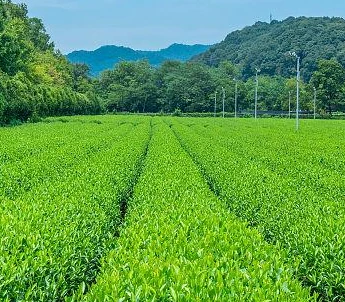
Another difference between steamed and pan-fried green tea is the appearance. Steamed green tea has a bright green color and a more vibrant appearance. The leaves are often whole or slightly broken and have a fresh, crisp texture. Pan-fried green tea, on the other hand, has a darker green color and a more mellow appearance. The leaves are often more rolled and have a smoother texture.
The difference in appearance is also due to the different processing methods. Steaming the tea leaves helps to preserve the natural color and texture of the leaves, while pan-frying the leaves gives them a more roasted and darker color.
The Differences in Nutritional Value
Both steamed and pan-fried green tea are rich in antioxidants and other beneficial compounds. However, the nutritional value of the tea can vary depending on the processing method.
Steamed green tea is often considered to be more nutritious than pan-fried green tea because the steaming process helps to preserve the natural antioxidants and other beneficial compounds in the leaves. Pan-frying the leaves can cause some of the antioxidants and other beneficial compounds to be lost.
Which One Should You Choose?
The choice between steamed and pan-fried green tea ultimately comes down to personal preference. If you prefer a fresh, grassy flavor and a bright green color, then steamed green tea may be the right choice for you. If you prefer a more roasted and nutty flavor and a darker green color, then pan-fried green tea may be the right choice for you.
As a supplier of Steamed Green Tea, I can attest to the quality and flavor of our products. Our steamed green tea is made from the highest quality tea leaves and is processed using traditional methods to ensure the best possible flavor and nutritional value.
If you're interested in trying our steamed green tea or have any questions about our products, please don't hesitate to reach out. We'd be happy to help you find the perfect tea for your taste and preferences.
Conclusion
In conclusion, the difference between steamed and pan-fried green tea lies in the processing method, flavor, appearance, and nutritional value. Steamed green tea has a fresh, grassy flavor, a bright green color, and is often considered to be more nutritious. Pan-fried green tea has a more roasted and nutty flavor, a darker green color, and is often considered to have a more complex and savory taste.
Whether you're a tea connoisseur or just starting to explore the world of green tea, I hope this blog post has helped you understand the differences between steamed and pan-fried green tea. If you have any questions or comments, please feel free to leave them below. And if you're interested in purchasing our steamed green tea, please contact us for more information.
References
- "The Science of Tea: A Research-Based Guide to Its Health Benefits and Preparation" by Jane Pettigrew and Bruce Richardson
- "The Book of Tea" by Kakuzo Okakura
- "Tea: History, Terroir, Varieties" by James Norwood Pratt